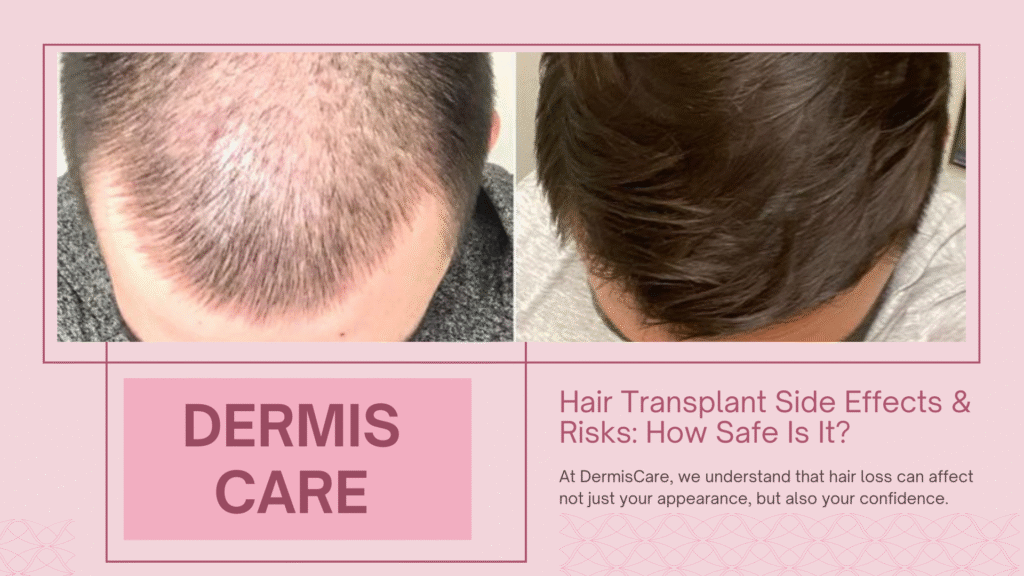
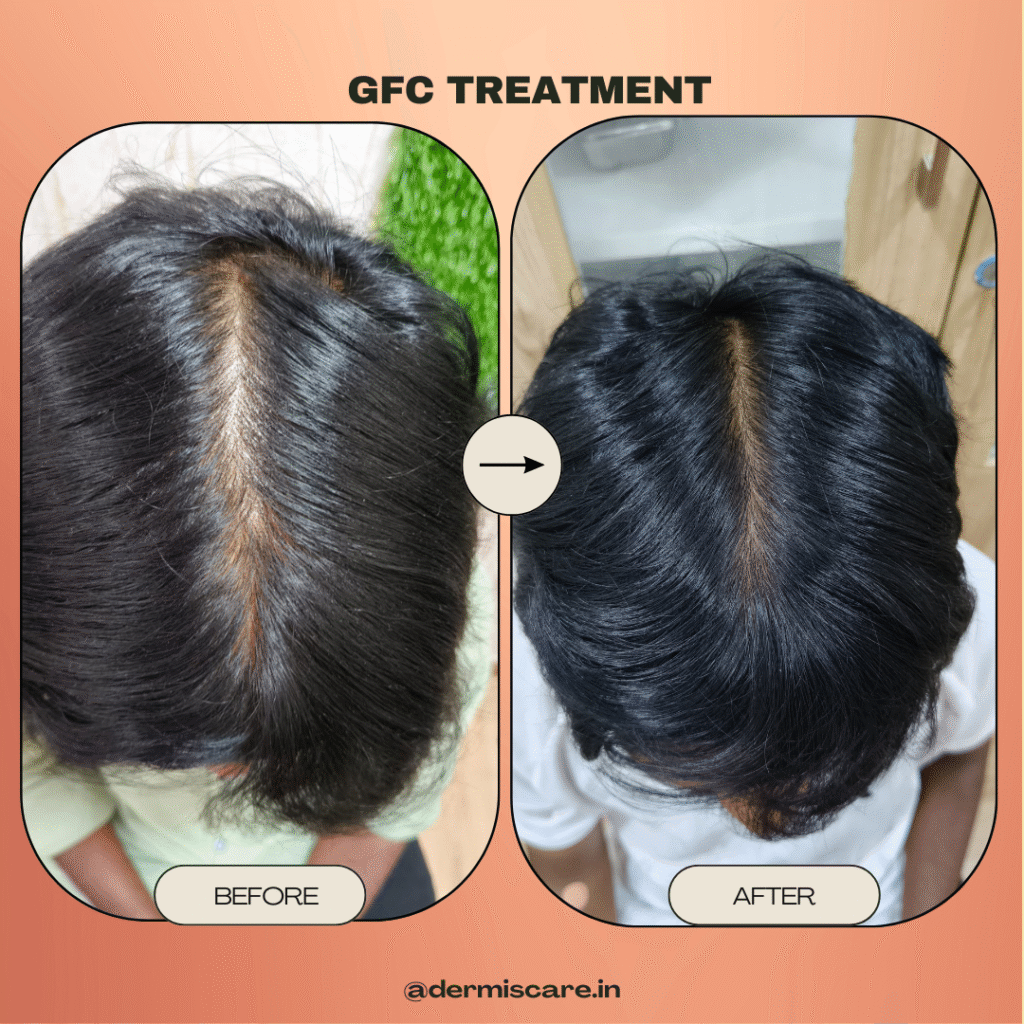
At DermisCare, we understand that hair loss can affect not just your appearance, but also your confidence. A hair transplant is one of the most reliable solutions to restore a natural hairline and fuller hair growth. With advanced techniques like FUE (Follicular Unit Extraction) and FUT (Follicular Unit Transplantation), results are better than ever.
However, patients often ask us: “Is a hair transplant safe?” In this article, our experts at DermisCare explain the side effects, risks, and safety measures you should know before making a decision.
Most patients experience only minor, temporary side effects. These usually disappear within a few days to weeks after the procedure.
💡 At DermisCare, our customized aftercare plan ensures a smooth recovery with minimal discomfort.
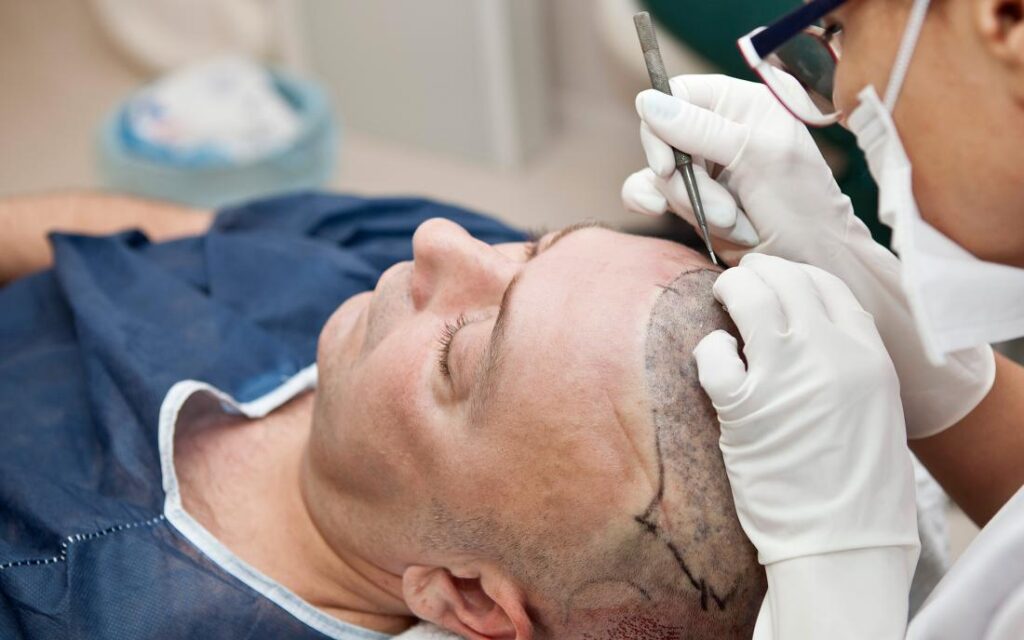
While rare, some risks can occur if the procedure is not performed by trained professionals.
Numbness or Tingling – Usually temporary and improves within weeks.
👉 At DermisCare, our surgeons use state-of-the-art techniques and follow strict safety standards to keep risks extremely low.
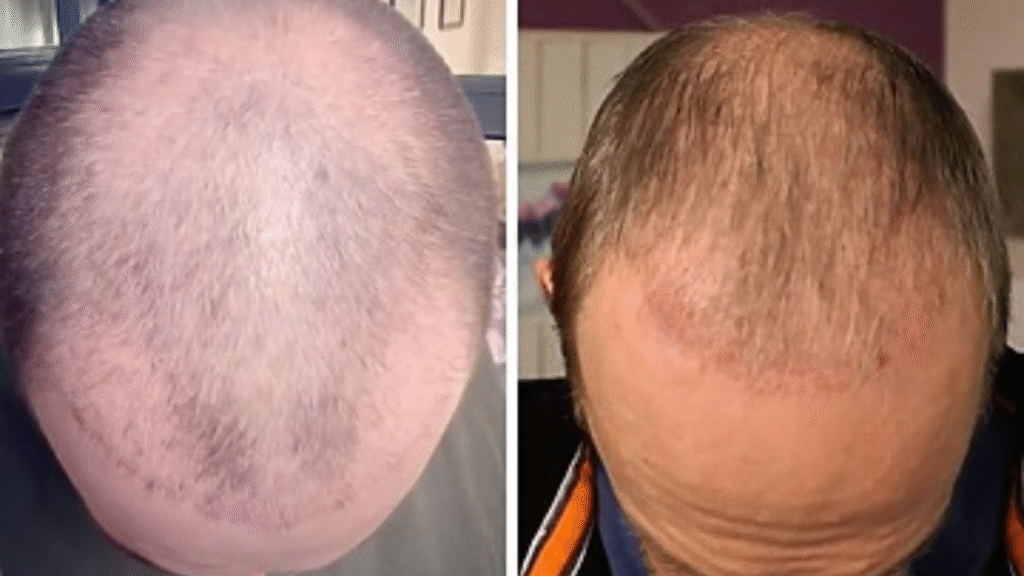
Hair transplant surgery is considered very safe when performed at a certified clinic by experienced surgeons. The success rate today is above 90–95%, with natural and permanent results.
The safety of your procedure depends on:
Following post-op care guidelines
Here’s what we recommend to all our patients:
✅ Choose a qualified and certified surgeon (DermisCare’s specialists have years of experience).
✅ Follow pre-op instructions such as avoiding alcohol, smoking, and certain medications.
✅ Adhere to post-op care like gentle washing, sleeping with head elevated, and taking prescribed medications.
✅ Attend regular follow-up appointments to track healing.
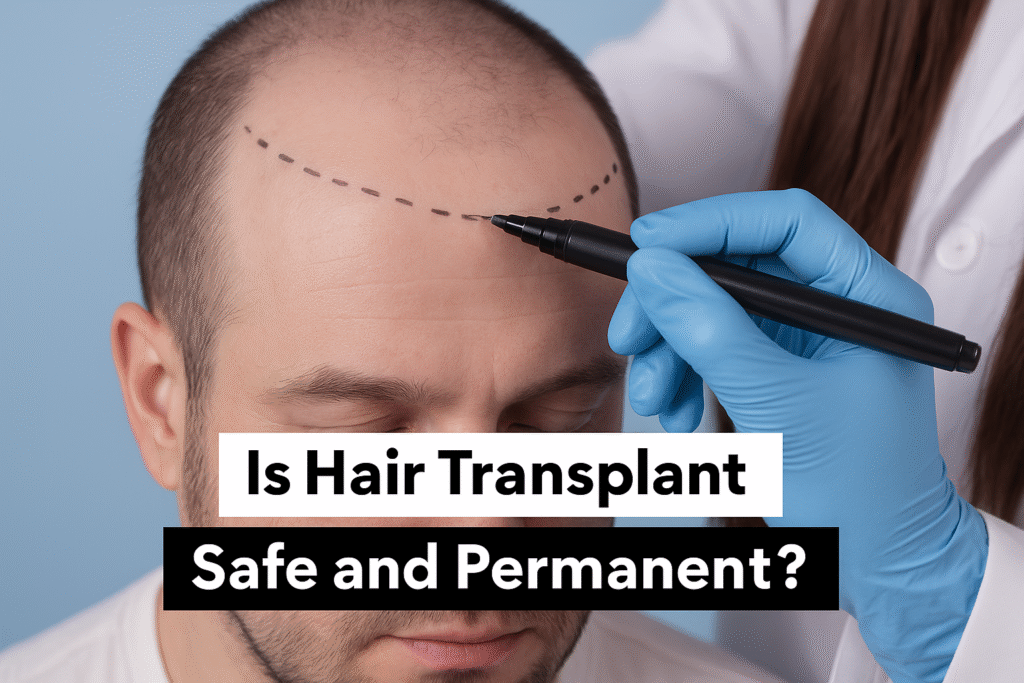
A hair transplant is a safe and permanent solution for hair restoration when performed under expert supervision. While mild side effects like swelling or itching are normal, serious complications are extremely rare at trusted clinics like DermisCare.
If you are considering a hair transplant, consult with our specialists to discuss your concerns, expectations, and personalized treatment plan.