
Hair Transplant Procedure: Step-by-Step Guide
Introduction
Hair loss affects confidence and appearance. Therefore, many people choose a permanent solution. The hair transplant procedure effectively restores natural hair growth. Moreover, modern techniques deliver precise and safe results. This guide explains every stage clearly. Additionally, it highlights essential preparation and recovery steps.
Book your appointment today at Dermiscare.in and discover the right hair treatment for your hair goals.
Understanding the Hair Transplant Procedure
- A Hair Transplant Procedure moves healthy hair follicles.
- Surgeons usually extract follicles from the donor area.
- Typically, the back of the scalp serves as the donor site.
- Then, specialists implant follicles into thinning areas.
- Consequently, new hair grows naturally over time.
- Furthermore, transplanted hair blends seamlessly with existing hair.
- Doctors use two main techniques.
- First, Follicular Unit Extraction offers minimal scarring.
- Second, Follicular Unit Transplantation removes a thin strip of scalp.
- Both methods deliver permanent outcomes.
- However, your surgeon recommends the best option.
Want to know if you’re a candidate? Call us now at +91 93636 20020 or +91 93637 12313 for a free consultation.
Hair Transplant Procedure
Step 1: Initial Consultation and Scalp Assessment
- The journey begins with a detailed consultation.
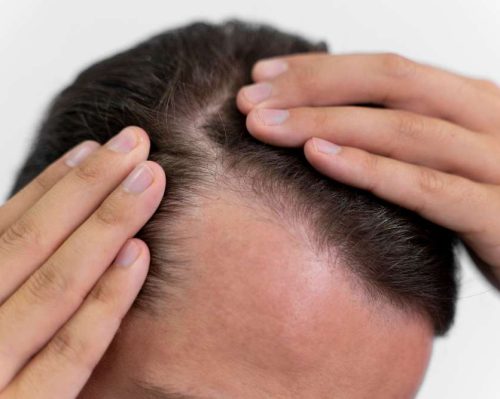
- During this visit, the surgeon examines your scalp condition.
- Additionally, medical history receives careful review.
- Doctors also assess donor hair density.
- As a result, they accurately determine graft requirements.
- Specialists discuss realistic expectations.
- Meanwhile, they explain potential risks and benefits.
- Afterwards, a personalised treatment plan is finalised.
- Therefore, you understand the entire process clearly.
Step 2: Pre-Procedure Preparation
- Preparation ensures smooth surgical results.
- Firstly, patients avoid smoking and alcohol.
- Secondly, doctors may adjust certain medications.
- In addition, blood tests sometimes become necessary.
- On the procedure day, the scalp gets cleaned thoroughly.
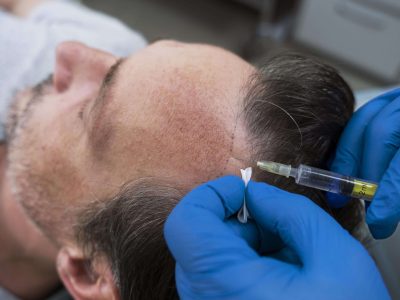
- Then, local anaesthesia numbs the treatment area.
- Consequently, patients remain comfortable throughout surgery.
Step 3: Donor Hair Extraction
- Extraction marks the most delicate stage.
- In FUE, surgeons remove individual follicles carefully.
- Alternatively, FUT involves removing a small scalp strip.
- After that, technicians separate grafts under microscopes.
- Thus, each follicle remains intact and healthy.
- Precision plays a critical role here.
- Therefore, experienced surgeons ensure minimal damage.
- As a result, graft survival rates stay high.
Step 4: Recipient Area Preparation
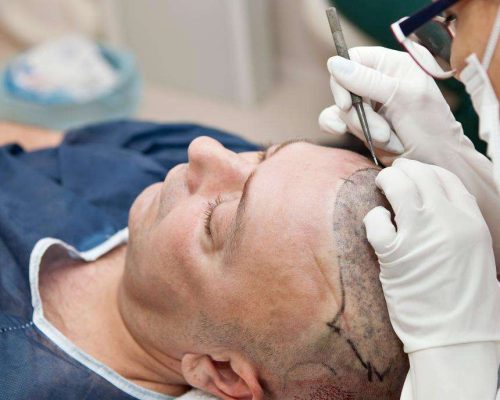
- Next, the surgeon carefully prepares the recipient area to ensure optimal graft placement.
- Tiny incisions are created with precision tools.
- Importantly, the angle matches natural hair growth.
- Consequently, the final result appears realistic.
- Doctors design the hairline strategically.
- Moreover, they consider facial symmetry carefully.
- Thus, patients achieve balanced and youthful results.
Step 5: Graft Implantation
- Implantation requires patience and expertise.
- Technicians place each graft into prepared incisions.
- Meanwhile, surgeons monitor spacing and density closely.
- Therefore, even coverage becomes possible.
- This stage may take several hours.
- However, patients feel minimal discomfort.
- Ultimately, the precise placement of grafts is crucial for achieving natural-looking, lasting results.
Step 6: Immediate Post-Procedure Care
- After surgery, doctors provide detailed instructions.
- Initially, mild swelling or redness may appear.
- Nevertheless, these effects usually fade quickly.
- Patients must avoid touching the grafts.
- Additionally, gentle washing begins after a few days.
- Doctors also prescribe medications if required.
- Thus, healing progresses without complications.
Recovery Timeline After Hair Transplant Procedure
- Recovery happens gradually.
- Within a week, scabs start falling naturally.
- Then, transplanted hair may shed temporarily.
- However, this phase remains completely normal.
- New growth typically begins after three months.
- Gradually, hair thickens over time.
- By twelve months, final results become visible.
- Therefore, patience remains essential.
Experience painless, professional care — Call us to reserve your treatment slot this week
Conclusion
The Hair Transplant Procedure provides a reliable solution. When performed correctly, results appear natural and permanent. Moreover, modern advancements improve safety and precision. Proper planning ensures successful outcomes. Likewise, disciplined aftercare supports healthy growth. Therefore, choose a skilled clinic carefully. Ultimately, restored hair enhances confidence and appearance. As a result, many individuals regain youthful self-esteem.
Your safety is our priority — Book with Dermiscare.in, trusted experts in Chennai.
Frequently Asked Question(FAQ)
1. How long does a Hair Transplant Procedure take?
A Hair Transplant Procedure usually takes four to eight hours. However, the duration depends on the number of grafts required. Larger sessions may take longer.
2. Is the Hair Transplant Procedure painful?
Doctors use local anesthesia during the procedure. Therefore, patients feel minimal discomfort. Mild soreness may occur after surgery, but it subsides quickly.
3. When will I see results after a hair transplant?
Initial hair shedding occurs within a few weeks. However, new hair growth typically begins after three months. Full results become visible within nine to twelve months.
4. Is a Hair Transplant Procedure permanent?
Yes, transplanted hair follicles are usually permanent. They continue to grow naturally because they come from resistant donor areas.
5. Are there any side effects?
Some patients experience mild swelling, redness, or itching. However, these effects are temporary. Following aftercare instructions reduces complications.
Post Related
working hours
Mon– Sun
10:00 am – 7:00 pm
Our Branches
- Porur:
- Phone :
- Email :
Copyright © 2025 Dermis care | Powered by Ekhlas Designs