
Hair Transplant Safe or Not? Facts You Must Know
Introduction
Hair loss affects confidence. Therefore, many people consider surgery. However, one question matters: The safety of hair transplants is a common concern for many people considering the procedure. Advanced methods like FUE and FUT use a patient’s own hair follicles, which minimizes rejection risks.This guide shares clear, factual insights.
What Is a Hair Transplant Procedure
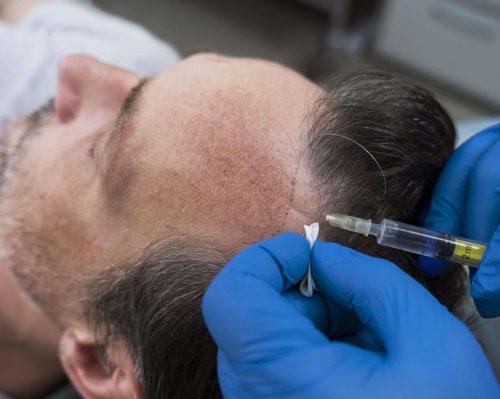
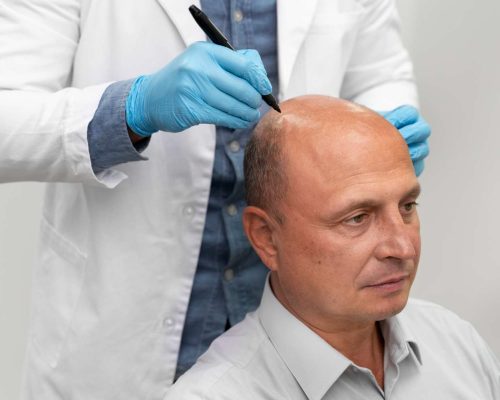
A hair transplant involves carefully extracting healthy hair follicles from a dense growth area and implanting them into thinning or bald regions to restore natural hair growth. Surgeons usually select the scalp. Sometimes, they choose the beard or chest. Consequently, natural hair growth becomes possible again.
Want to know if you’re a candidate? Call us now at +91 93636 20020 or +91 93637 12313 for a free consultation.
Hair Transplant Safe or Not: Medical Perspective
- Modern hair transplant techniques are generally safe.
- However, safety depends on skill and hygiene.
- Certified surgeons follow strict medical protocols.
- As a result, the risk of complications remains low.
Common Hair Transplant Techniques
Two popular methods dominate the field. Each method offers different benefits.
1. FUE Hair Transplant Safety
FUE involves removing hair follicles one by one, which helps limit visible scars. Healing usually happens more quickly compared to traditional techniques. When aftercare guidelines are followed, infection chances stay minimal.
2. FUT Hair Transplant Safety
FUT removes a strip of scalp. Surgeons then implant follicles carefully. Although scarring appears, results stay long-lasting. Thus, experienced hands matter greatly.
Who Is an Ideal Candidate
- Not everyone qualifies for surgery.
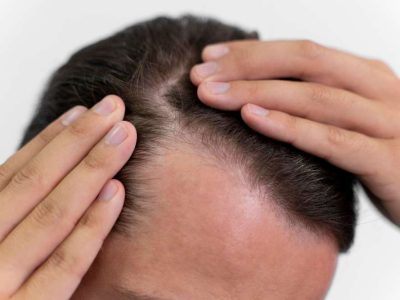
- Doctors assess hair density carefully.
- Moreover, stable hair loss patterns matter.
- Overall health also plays a key role.
Experience painless, professional care — Call us to reserve your treatment slot this week
Possible Side Effects to Know
Every medical procedure carries risks. However, most effects remain temporary.
- Mild swelling may appear.
- Redness often fades quickly.
- Temporary shedding happens initially.
- Minor itching occurs during healing.
Nevertheless, severe complications remain rare.
Hair Transplant Safe or Not for Long-Term Health
Long-term safety remains encouraging. Transplanted hair generally provides permanent growth. Since the follicles come from the patient’s own scalp, the body readily accepts them, making rejection extremely rare.
Importance of Choosing the Right Clinic
Clinic choice directly impacts safety. Therefore, research matters greatly. Always check certifications. Additionally, review before-and-after cases. Clean facilities reduce infection risks significantly.
Role of Surgeon Experience
Experienced surgeons ensure precision. They design natural hairlines carefully. Furthermore, they minimize follicle damage. Thus, success rates improve consistently.
Pre-Surgery Safety Measures
Doctors recommend blood tests. They also review medical history. Moreover, patients must avoid smoking. Alcohol restrictions apply too. These steps improve safety outcomes.
Post-Surgery Care and Safety
Aftercare ensures smooth recovery. Patients should follow instructions strictly. Gentle washing helps healing. Additionally, medications prevent infection. Regular follow-ups ensure progress.
Hair Transplant Safe or Not for Women
Women also choose transplants successfully. However, pattern assessment differs. Surgeons evaluate thinning carefully. Consequently, results remain natural and safe.
Psychological Benefits After Transplant
- Restored hair boosts confidence.
- People feel younger and positive.
- As a result, social comfort improves.
- Mental well-being often increases significantly.
Myths About Hair Transplant Safety
- Surgery does not damage the brain.
- Transplants do not cause cancer.
- Modern anesthesia remains safe.
- Results look natural when done properly.
Conclusion
Hair transplant procedures remain medically safe. Technique selection matters greatly. Surgeon expertise ensures natural outcomes. Proper care supports healing. Ultimately, confidence restoration becomes achievable.
Your safety is our priority — Book with Dermiscare.in, trusted experts in Chennai.
Frequently Asked Question(FAQ)
1. Is a hair transplant safe?
Yes, hair transplants are generally safe when performed by experienced surgeons with proper hygiene and aftercare.
2. How long does it take to recover from a hair transplant?
Recovery usually takes 7–14 days for initial healing, while full hair growth may appear within 6–12 months.
3. Are there side effects of a hair transplant?
Mild swelling, redness, itching, and temporary shedding may occur, but serious complications are rare.
4. Will the transplanted hair grow permanently?
Yes, transplanted hair typically grows for a lifetime since follicles are sourced from the patient’s own scalp.
5. Which method is safer, FUE or FUT?
Both are safe, but FUE offers minimal scarring and faster recovery, while FUT may leave a linear scar but gives dense results.
6. Can women undergo hair transplants safely?
Yes, women can safely have hair transplants, but the procedure requires careful assessment of thinning patterns.
Post Related
working hours
Our Branches
- Porur:
- Phone :
- Email :
Copyright © 2025 Dermis care | Powered by Ekhlas Designs